Tips for Smoking Meat With an Electric Smoker
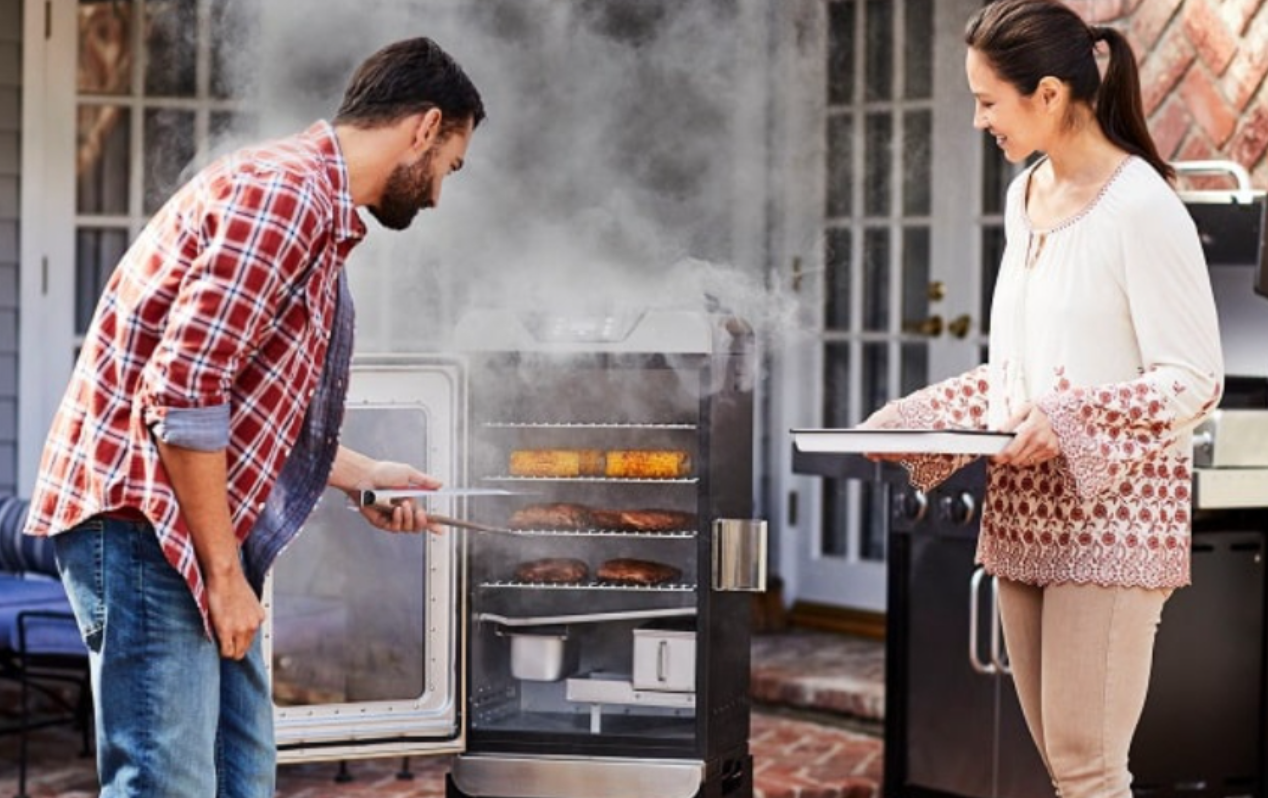
Here are some tips for crafting a compelling introduction: Smoking meat is an age-old culinary tradition that transforms ordinary cuts into flavorful, tender masterpieces. While traditional smoking methods require a lot of skill and patience, modern technology has made the process much more accessible to electric smokers. These convenient appliances allow novice cooks and seasoned pitmasters to achieve excellent results. To help you elevate your smoking game, we've compiled seven valuable tips for smoking meat with an electric smoker.
Tips for Smoking Meat With an Electric Smoker
Here, you'll find valuable tips for smoking meat with an electric smoker.
1. Choose the Right Meat
The first step to successful smoking is selecting the right meat. While almost any meat can be smoked, some cuts are better suited for this method. Here are a few popular options:
- Pork Shoulder (Pork Butt): Ideal for pulled pork, pork shoulder is a forgiving cut that becomes tender and succulent after slow smoking.
- Brisket: Known for its rich, beefy flavor, brisket is a favorite among smoke enthusiasts. It's best smoked low and slow to achieve the perfect tenderness.
- Ribs: Baby back or spare ribs are excellent for smoking, offering a delightful combination of meatiness and smokiness.
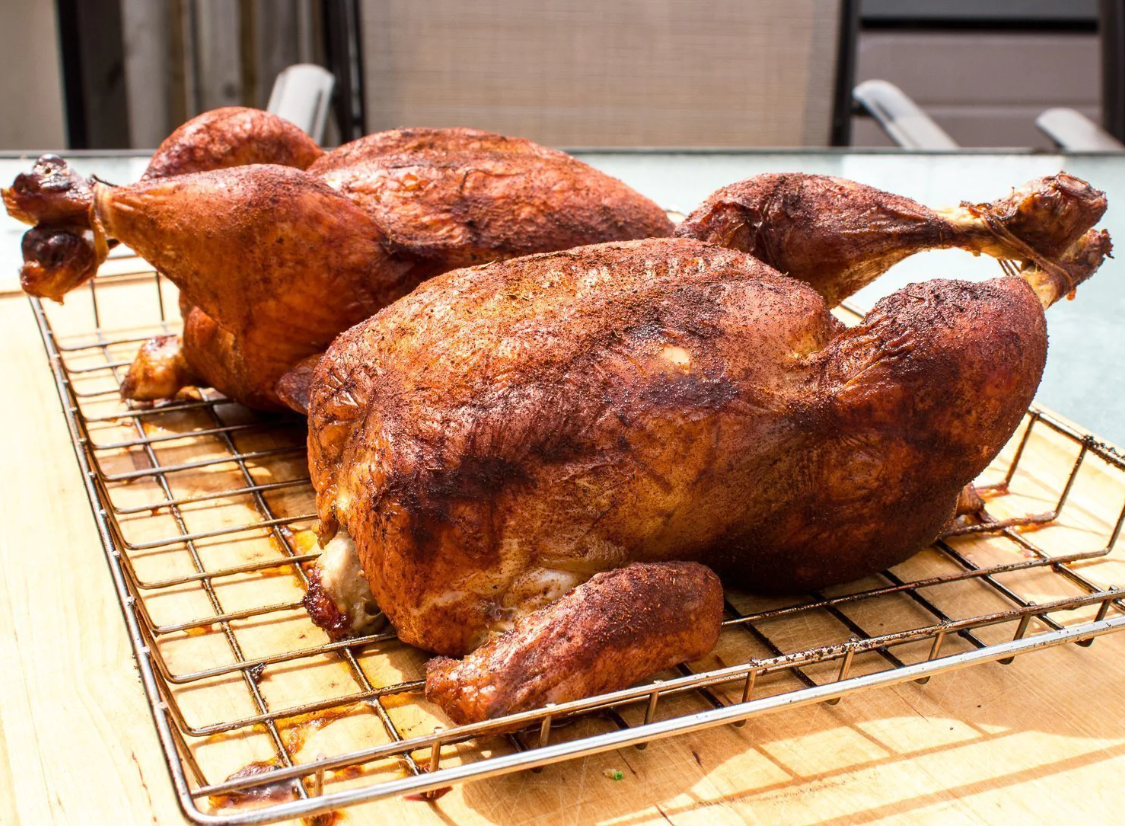
- Chicken: Smoking chicken imparts a delicate, smoky flavor to its tender meat. Consider using whole chicken, chicken thighs, or even wings.
- Turkey: Smoking turkey is famous for Thanksgiving and other special occasions. Turkey breast and whole turkeys can be smoked to perfection.
- Sausages: Smoking sausages enhances their flavors and gives them a smoky, savory kick.
Ensure that the meat is of good quality and adequately trimmed before smoking.
2. Use the Right Wood
The type of wood you use significantly impacts the flavor of your smoked meat. Different woods offer unique flavors, and choosing the right one is crucial. Here are some common wood choices and their flavor profiles:
- Hickory: Offers a strong, robust, smoky flavor. It's well-suited for pork, beef, and poultry.
- Mesquite: Provides an intense smoky flavor and is best used sparingly, especially with beef.
- Apple: Imparts a mild, slightly sweet smoke flavor. It's excellent for pork, poultry, and seafood.
- Cherry: Offers a sweet and fruity smoke flavor that pairs well with pork, poultry, and game meats.
- Oak: Provides a clean, medium-smoky flavor and is versatile enough for various meats.
- Alder: Offers a light, delicate smoke flavor that complements seafood and poultry.
Experiment with different wood types to discover your preferred flavor combinations.
3. Preheat Your Electric Smoker
- Before you start smoking, preheat your electric smoker to the desired temperature. Most smoking recipes call for temperatures between 225°F and 250°F (107°C to 121°C). Preheating ensures that your smoker reaches and maintains the target temperature, essential for consistent results.
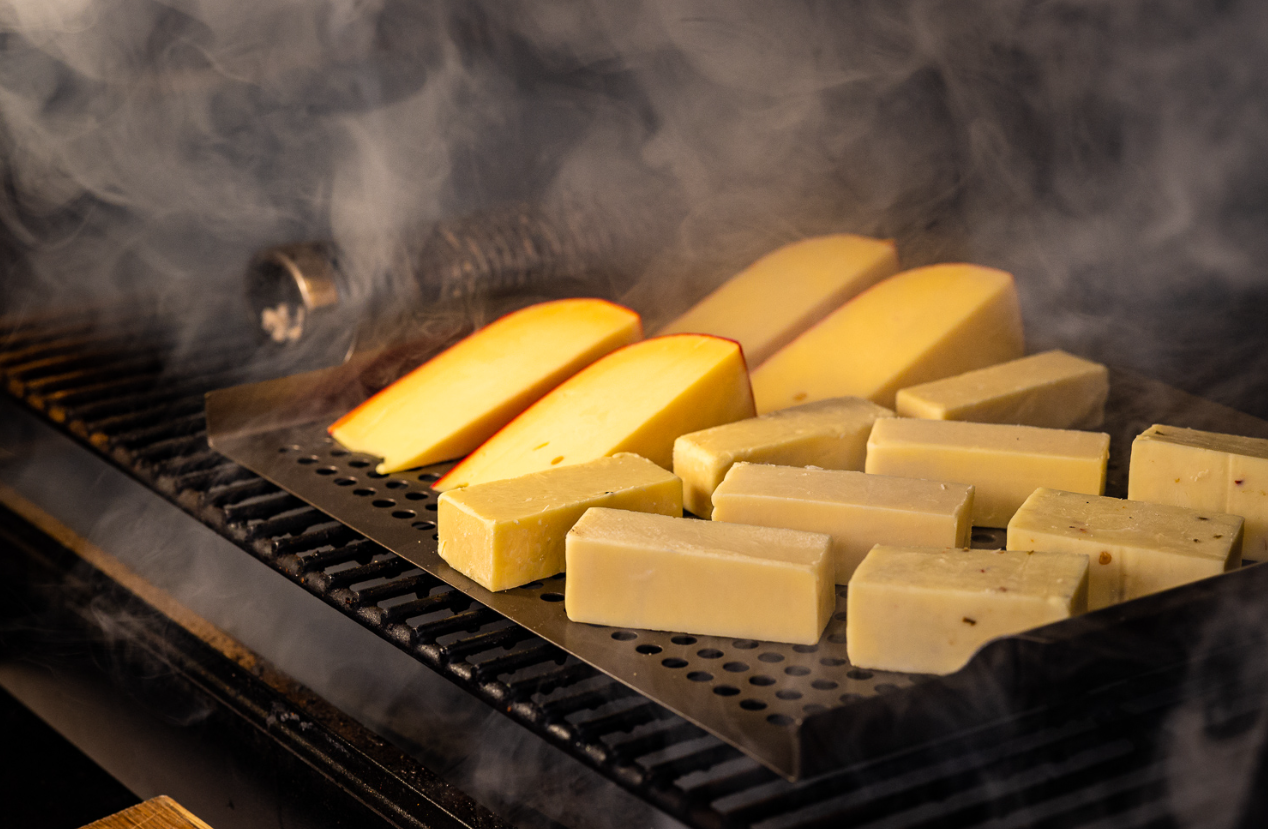
Also Read: How To Smoke Cheese In Electric Smoker
4. Maintain a Steady Temperature
Consistent temperature control is critical to successful smoking. Electric smokers excel in this regard, as they allow precise temperature adjustments. To maintain a steady temperature:
- Monitor the smoker's built-in thermometer or use an external digital thermometer to keep track of the cooking temperature.
- Avoid opening the smoker door frequently, as this can lead to temperature fluctuations. Instead, use the window or a remote thermometer to check on the meat.
- Adjust the smoker's temperature settings to stay within the desired range.
5. Use a Water Pan
Many electric smokers come with a water pan, which can be beneficial. The water pan serves several purposes:
- It helps maintain a moist cooking environment, preventing the meat from drying out during smoking.
- The water pan acts as a heat sink, helping stabilize the smoker's temperature and reduce temperature fluctuations.
- Some postmasters add flavorful liquids, such as apple juice or beer, to the water pan to infuse additional flavor into the meat.
- Ensure the pan is filled with water or your preferred liquid before smoking.
6. Monitor Internal Temperatures
To achieve perfectly smoked meat, it's crucial to monitor the internal temperatures of the heart itself. Use a digital meat thermometer to check the internal temperature at the thickest part of the meat, away from bone or fat.
Here are some target internal temperatures for popular smoked meats:
- Pork Shoulder: 195°F to 205°F (90°C to 96°C) for pulled pork.
- Brisket: 200°F to 205°F (93°C to 96°C) for tender slices.
- Ribs: 195°F to 205°F (90°C to 96°C) for tender ribs that pull apart easily.
- Chicken: 165°F (74°C) for safe consumption.
- Turkey: 165°F (74°C) in the breast and 175°F (80°C) in the thigh.
- Sausages: 160°F to 165°F (71°C to 74°C) for safe consumption.
7. Rest and Slice
Once your meat reaches the desired internal temperature, please remove it from the smoker and allow it to rest. Resting allows the juices to redistribute, producing a juicy, flavorful end product. For more significant cuts like brisket or pork shoulder, sleep for at least 30 minutes, tented with foil.
After resting, slice or shred the meat as needed, and enjoy the smoky, mouthwatering results.