How Does an Electric Smoker Work?
Electric smokers have revolutionized the world of outdoor cooking by offering a convenient and user-friendly way to achieve the flavorful results of traditional smoking methods. Whether you're a seasoned pitmaster or a novice cook, understanding how an electric smoker works can enhance your smoking experience. In this article, we'll explore the inner workings of electric smokers, from heating elements to smoke generation, and provide insights into the mechanics behind these remarkable culinary appliances.
The Components of an Electric Smoker
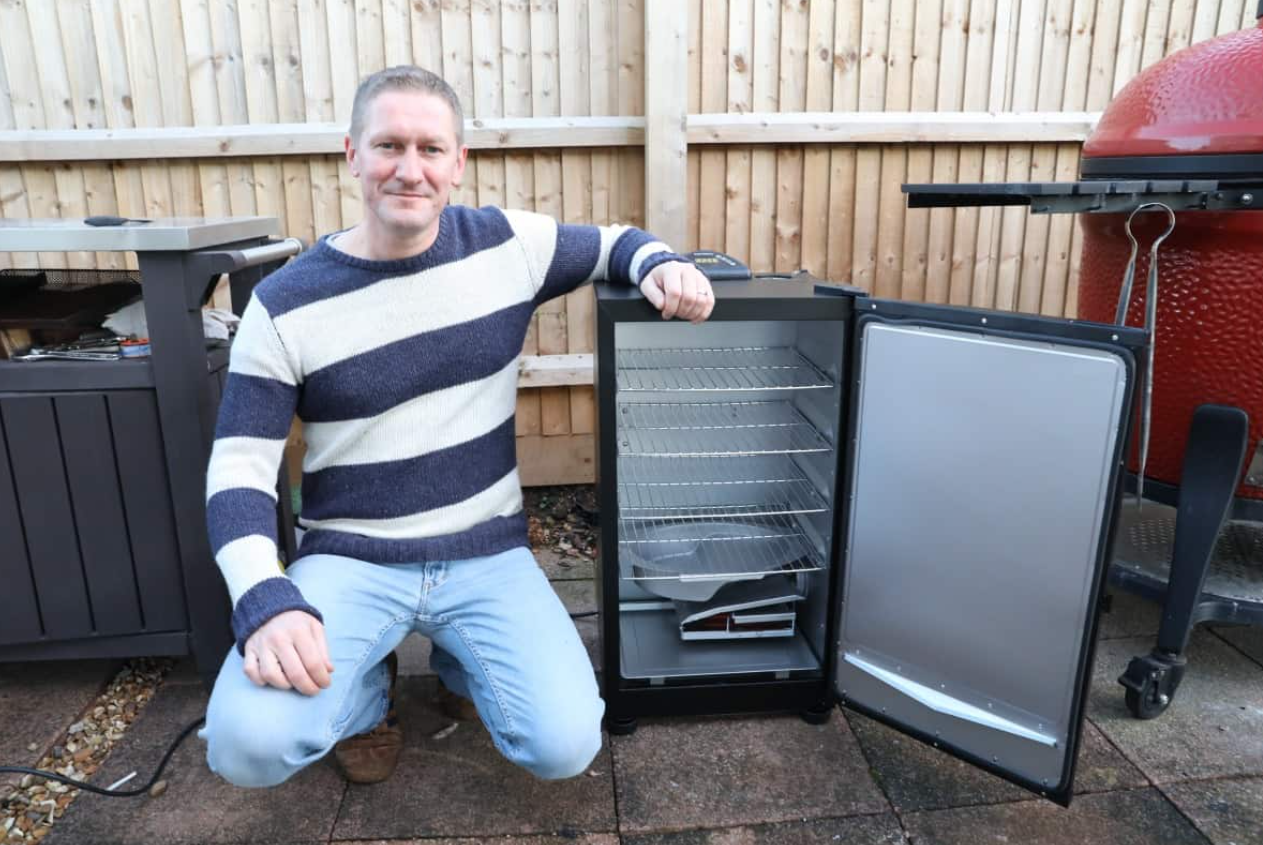
To comprehend how an electric smoker operates, it's essential to familiarize yourself with its key components:
1. Heating Element:
The heating element serves as the core component of an electric smoker. It functions similarly to an electric stove top coil or an oven's heating element. When electricity flows through the heating element, it generates heat. This heat is the primary source of cooking and smoking in the smoker.
2. Wood Chip Tray/Pellet Feeder:
Electric smokers use wood chips or pellets to impart smoky flavor to the food. These are placed in a designated tray or, in some models, fed into a combustion chamber. When the heating element warms the wood chips or pellets, they smolder, creating flavorful smoke.
3. Temperature Control:
Most electric smokers feature a temperature control system that allows you to set and maintain the desired cooking temperature. This control panel regulates the heat the heating element produces, ensuring consistent cooking temperatures throughout the smoking process.
4. Water Pan:
A water pan is often included in electric smokers. It serves multiple purposes:
Temperature Regulation: The pan's water helps stabilize the smoker's temperature, preventing rapid fluctuations.
Moisture Infusion: As the water evaporates, it adds moisture to the smoking chamber, keeping the food moist and preventing it from drying out during cooking.
5. Smoking Racks:
Smoking racks provide the cooking surfaces where you place your food. They come in various sizes and configurations to accommodate different types of dishes and quantities of food.
6. Drip Tray:
A drip tray is positioned beneath the smoking racks to collect drippings from the food. It prevents flare-ups and helps maintain a clean cooking environment.
The Smoking Process in an Electric Smoker
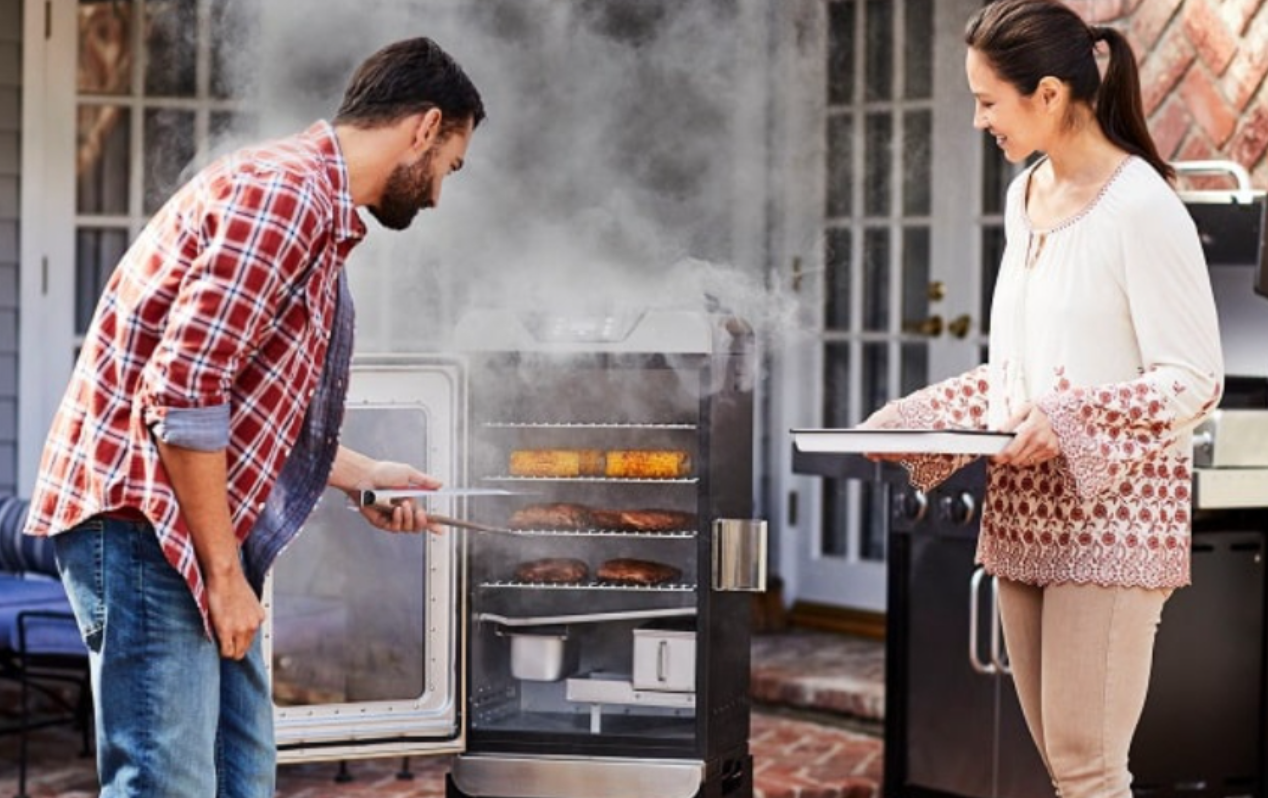
Now that we've identified the essential components let's dive into how an electric smoker works during the smoking process:
Setting the Temperature: To begin, you select the desired cooking temperature on the smoker's control panel. The heating element then activates and starts warming up.
Wood Chip/Pellet Ignition: As the smoker heats up, the wood chips or pellets in the designated tray or feeder begin to smoke. The smoldering process generates smoke, often aided by a small flame or igniter.
Smoke Circulation: The smoke produced from the wood chips or pellets circulates through the smoking chamber, enveloping the food on the racks. This smoke imparts the rich and smoky flavor of smoked dishes.
Temperature Regulation: The smoker's temperature control system monitors the cooking temperature and adjusts the heating element's output to maintain the selected temperature. This precise control ensures that your food cooks evenly and consistently.
Moisture Regulation: The water pan plays a crucial role in regulating moisture levels inside the smoker. As the water evaporates, it releases moisture into the smoking chamber, keeping the food moist and preventing it from drying out during the smoking process.
Drip Management: Drippings from the food on the smoking racks fall into the drip tray below. This prevents flare-ups and ensures that excess fat or juices are collected and disposed of quickly.
Advantages of Electric Smokers
Understanding how electric smokers work highlights several advantages:
Precision: Electric smokers offer precise temperature control, reducing the risk of overcooking or undercooking your dishes.
Consistency: The even heating and consistent temperature maintenance result in consistently delicious smoked foods.
Convenience: Electric smokers are known for their "set-and-forget" comfort, requiring minimal monitoring during the smoking process.
Safety: The absence of open flames and the controlled combustion of wood chips or pellets make electric smokers safer than other smokers.
Versatility: Electric smokers can be used for various smoking techniques, from low and slow smoking to high-temperature grilling.
Conclusion
In conclusion, electric smokers use a heating element to generate heat and a wood chip or pellet tray to produce smoke. The temperature control system, water pan, and other components create a controlled and efficient smoking environment. This understanding of how electric smokers operate not only demystifies the smoking process but also enables you to harness the convenience and precision of these appliances to create delicious smoked dishes that will impress your taste buds and delight your guests.